
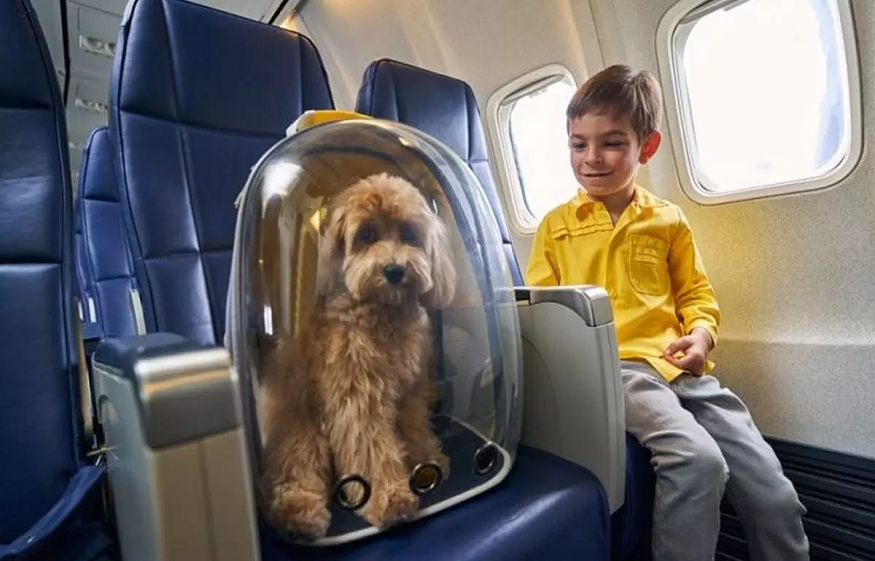

Whether your recent trip with your pet covered a few hours on the road or a long flight across the country, the return home can take some adjustment. You may be ready to jump back into normal routines, but your pet might still be processing the experience. Travel exposes animals to unfamiliar environments, schedules, and stimuli, and some of the effects show up only after everything has calmed down.
How Pets Adjust Once the Trip Is Over
Pets feel most secure when their routines stay consistent, and traveling often disrupts that sense of stability. New places, different sounds, altered sleep habits, and changed feeding times can all influence how your pet behaves after you return home. Even pets that usually handle change well may show small shifts in behavior. Some may pace, vocalize more than they normally do, hide in quiet corners, or sleep more than usual. Others may seem less interested in meals or appear unsure of their surroundings.
These changes do not automatically signal a serious problem. Often, your pet simply needs time to settle back into a normal rhythm. Giving them a stable routine, quiet resting spots, and comfort items like favorite toys or blankets can make the transition smoother. A calm home environment and gradual reintroduction to daily activities can help them feel grounded again.
If your pet tends to be anxious or has limited experience with traveling, they may need additional time and reassurance. It can be helpful to ease them back into stimulation, such as walks, visitors, or new foods. Some pets appear relaxed during the actual travel but only show stress once they are back in familiar surroundings and their adrenaline has worn off.
Hidden Sources of Post-Travel Stress
Not all post-travel concerns are behavioral. Some are physical and may be easy to overlook. Exposure to new regional allergens, unfamiliar plants, or household products while traveling can cause sneezing, itchiness, or mild digestive issues. Even something simple like different water or snacks from friends or family can affect a sensitive stomach.
Travel may also increase the risk of exposure to parasites, especially if your trip involved outdoor activities. Checking for fleas, ticks, mites, burrs, and cuts, along with giving your pet a bath, can help you catch any issues early.
Behavior changes can also hint at underlying health concerns. If your pet remains withdrawn, refuses food, or shows signs of discomfort for more than a short time, it is important to reach out to urgent veterinary care. Prompt attention ensures that any emerging issues are addressed quickly and helps your pet get back to feeling comfortable and secure.
Check out the accompanying resource from Scout Veterinary Urgent Care, a vet in Lincoln Park, for more.