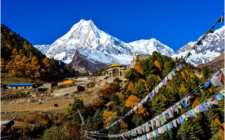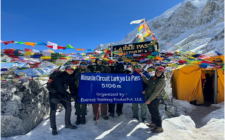
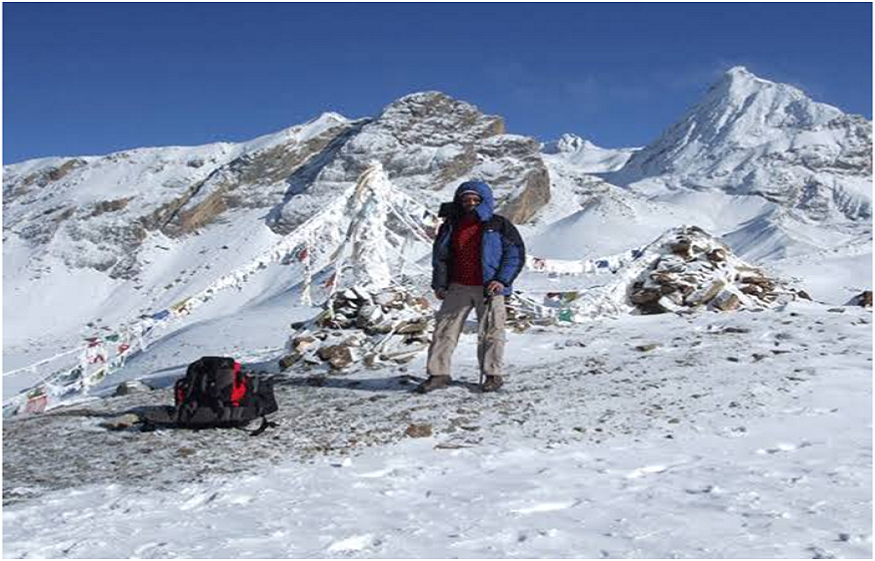

If you’ve spent any time researching trekking in Nepal, you’ve probably noticed that every blog, every travel agent, and every Instagram reel points you toward the same two names: Everest Base Camp and the Annapurna Circuit. They’re incredible, no doubt. But they’re also crowded, booked out months in advance, and honestly, a little overhyped for travelers who just want a good week or two in the mountains without fighting for lodge rooms.
That’s where the quieter routes come in. The Khopra Danda trek, Mardi Himal trek, Khumai Danda trek, and Kokhe Danda trek all sit in or near the Annapurna trekking region, and each one gives you a completely different flavor of the Himalayas. One is famous for its ridge-top panorama. Another is Nepal’s go-to short trek for first-timers. The other two are still flying under the radar, which, depending on how you feel about crowds, might be exactly what you’re looking for.
This guide walks through all four so you can figure out which one actually fits your fitness level, your schedule, and what you want out of the trip — instead of just picking whatever shows up first on Google.
Why Hidden Treks in the Annapurna Region Are Becoming More Popular
There’s a shift happening in Nepal trekking guide circles, and it’s not subtle. More and more hikers are actively searching for off-the-beaten-path Nepal treks instead of the headline routes. Part of it is crowding — nobody wants to queue at a viewpoint for a photo. Part of it is that these less crowded trekking trails often deliver better local experiences: smaller tea houses, more conversation with the family running the lodge, and villages that haven’t been reshaped around tourism.
The Khopra Danda trek, Mardi Himal trek, Khumai Danda trek, and Kokhe Danda Trek all check these boxes in their own way. You still get jaw-dropping Himalayan trekking experience moments — sunrise over snow peaks, rhododendron forests, and ridgelines that seem to go on forever — just without three hundred other people standing next to you for the photo. For photographers and nature lovers especially, that quiet makes a real difference.
Khopra Danda Trek – A Quiet Ridge with Incredible Mountain Views
Trek Overview
The Khopra Danda trek sits in the western Annapurna region, generally starting from Nayapul or Ghandruk and finishing around Ghorepani or Swanta. Most itineraries run 7 to 9 days depending on how many side trips you add. It tops out around 3,660 meters at Khopra Ridge, which is high enough for real mountain views but not so high that altitude becomes a serious concern for reasonably fit trekkers.
Why Travelers Love the Khopra Danda Trek
Honestly, it’s the views. Standing on Khopra Ridge with Dhaulagiri on one side and Annapurna South and the Nilgiri range on the other is one of those moments that just doesn’t translate to photos properly. The trek is also known for its community lodges — locally run, built with support from conservation groups, and genuinely a nice change from the standard tea house setup. Many trekkers add on the Khayer Lake side trip, a sacred lake sitting at nearly 4,500 meters, which pushes the trip into proper high-altitude territory for a day.
Because it’s still relatively unknown outside dedicated trekking circles, the trail stays pleasantly quiet even in peak season.
Who Should Choose This Trek?
This one suits couples, solo trekkers, and photographers particularly well. You’ll want moderate fitness, but nothing extreme — if you can handle several hours of daily walking with some steep sections, you’re fine. If your idea of a good trek involves fewer people and more silence, this is a strong pick.
Mardi Himal Trek – Nepal’s Most Popular Short Himalayan Trek
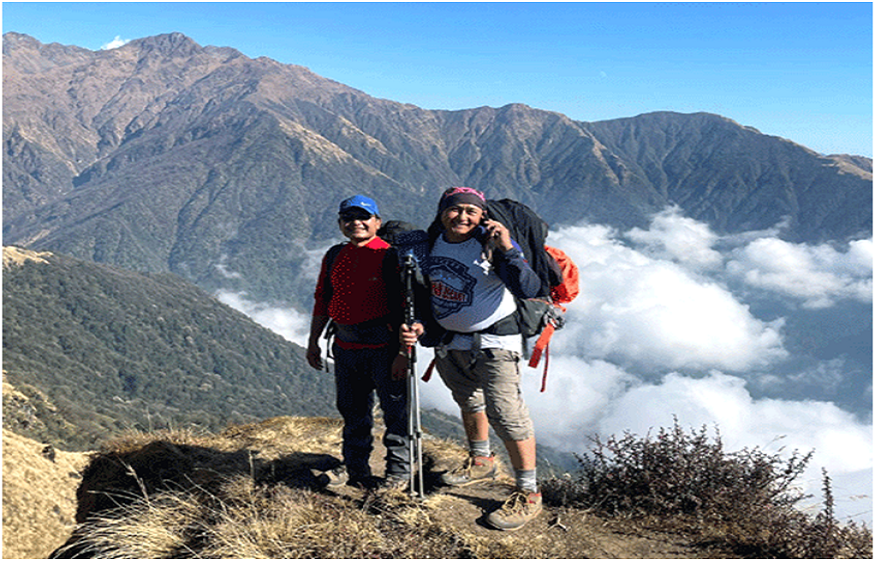
Trek Overview
The Mardi Himal trek usually runs 5 to 7 days from Kande or Phedi, and it’s become the default short trek recommendation for a reason. The trail climbs to around 4,500 meters at Mardi Himal Base Camp, though many people stop at High Camp (3,580 m) if time or altitude is a concern. The best season is spring or autumn, same as most Annapurna trekking region routes, though it’s possible (3,580 m) m)with more caution) in winter too.
What Makes Mardi Himal Trek So Popular?
It packs an enormous amount of scenery into a short window. You start in dense forest — genuinely gorgeous. The rhododendron forests, if you time them the same for spring bloom — then break out above the tree line into open ridge walking with Machhapuchhre (Fishtail) looming directly in front of you. High Camp is where most people base themselves for the final sunrise push, and that Mardi Himal Base Camp sunrise over Machhapuchhre and Annapurna South is genuinely one of the best sunrise viewpoints Nepal has to offer for the effort required.
Read More: Combine These 4 Treks for the Ultimate Nepal Hike
Tea houses along the route are simple but comfortable, and because it’s a well-established trail now, logistics are easy.
Ideal Travelers
First-time trekkers, families with older kids, and anyone on a short holiday who still wants a “real” Himalayan trekking experience will find this one hits the sweet spot. It’s also popular with adventure seekers who want big views without committing two or three weeks.
Khumai Danda Trek – The Rising Hidden Gem Near Pokhara
Trek Overview
The Khumai Danda trek is one of the newer routes gaining attention among Pokhara trekking packages, and it stays refreshingly untouched compared to its neighbors. Duration typically runs around 5 to 7 days, with moderate-to-challenging sections depending on the exact route taken. Elevation sits in a similar range to Mardi Himal, though the trail conditions are rougher and less developed.
Why More Trekkers Are Discovering Khumai Danda Trek
This is genuinely one of those hidden trekking routes in Nepal that word-of-mouth is slowly uncovering. Trails wind through forests and small local villages that see barely any foreign visitors, and accommodation can be basic — sometimes tea houses, sometimes closer to home stay or simple camping setup. What you trade in comfort, you gain in authenticity. Fewer tourists means the Himalayan sunrise views here feel almost private, and the walking itself, through untouched forest paths, has a wilder feel than the more established trails.
Best For
Experienced hikers who don’t mind rougher trail conditions, nature lovers chasing something quieter, and travelers specifically hunting for hidden destinations rather than checklist trekking will get the most out of Khumai Danda.
Kokhe Danda Trek – A New Trail for Travelers Looking Beyond the Crowds
Trek Overview
The Kokhe Danda Trek is another emerging route in the wider Annapurna foothills, generally taking 4 to 6 days. Difficulty is easy to moderate, with elevation gains that stay friendlier than Mardi Himal or Khumai Danda, making it approachable for people who want mountain scenery without punishing daily climbs.
Highlights of Kokhe Danda Trek
What stands out here is the pace. The ridges are quiet, the villages feel genuinely traditional rather than trek-adapted, and there’s a good amount of birdlife along the forested sections — a nice bonus if you’re into photography beyond just mountain shots. The scenic landscapes shift constantly, from terraced farmland to pine forest to open viewpoints, and because so few trekkers pass through, the cultural interactions along the way feel unscripted.
Who Will Enjoy Kokhe Danda Trek?
Slow travelers who’d rather wander than rush, couples looking for a peaceful few days, repeat visitors to Nepal who’ve already done the big-name treks, and photographers chasing something less documented will all enjoy this one.
Comparing Khopra Danda Trek, Mardi Himal Trek, Khumai Danda Trek and Kokhe Danda Trek
| Feature | Khopra Danda Trek | Mardi Himal Trek | Khumai Danda Trek | Kokhe Danda Trek |
| Trek Duration | 7–9 days | 5–7 days | 5–7 days | 4–6 days |
| Difficulty | Moderate | Easy–Moderate | Moderate–Challenging | Easy–Moderate |
| Maximum Altitude | ~3,660m (4,500m w/ Khayer Lake) | ~4,500m | ~3,500–4,000m | ~3,000–3,300m |
| Accommodation | Community lodges | Tea houses | Basic tea houses/homestay | Tea houses |
| Crowds | Low | Moderate–High | Very low | Very low |
| Scenic Beauty | Excellent | Excellent | Very good | Good |
| Best For | Photographers, couples | First-timers, families | Experienced hikers | Slow travelers |
| Photography | Excellent | Very good | Very good | Excellent |
| Beginner-Friendly | Moderate | Yes | Limited | Yes |
| Adventure Level | Moderate | Moderate | High | Low–Moderate |
Best Time to Visit These Himalayan Treks
Spring
March to May brings rhododendron blooms, clear mountain visibility, and comfortable daytime temperatures — arguably the most beautiful window for all four routes.
Autumn
September to November is the classic answer to the best time for trekking in Nepal question, and it holds true here, too. Skies stay clear, weather is stable, and this is when trails are busiest (except on the hidden routes, which stay calm even now).
Winter
December to February means snow-dusted ridgelines and noticeably fewer people on the trail. Cold is the tradeoff, especially at higher points like Mardi Himal Base Camp, so proper gear matters more.
Monsoon
June to August turns everything green and lush, but leeches, slippery trails, and low visibility make this a poor choice for beginners on any of these four treks.
Trek Difficulty and Fitness Level
None of these four routes require technical climbing skills, but they do ask for reasonable fitness. Expect 5 to 7 hours of daily walking on average, with steady elevation gain rather than sharp technical climbs. A few weeks of cardio, some stair or hill training, and a couple of practice hikes beforehand go a long way. Mental preparation matters too — long uphill stretches test patience more than muscle.
Read More: Hiking Heaven: Annapurna, Langtang, Manaslu & Climbing Paradise:
If you had to rank them, Mardi Himal and Kokhe Danda are the easiest starting points; Khopra Danda sits in the middle; and Khumai Danda is the most demanding of the four thanks to rougher, less-maintained trail sections.
Accommodation, Food and Local Experience
Tea house trekking Nepal-style is the norm across Khopra Danda, Mardi Himal, and Kokhe Danda, with Khumai Danda occasionally dipping into more basic homestay or camping setups depending on the exact route. Meals are simple and hearty — dal bhat remains the trekker’s staple for good reason, with momos, noodle soups, and basic breakfast options like porridge or Tibetan bread rounding things out. Drinking water is available at lodges, though most trekkers carry purification tablets or a filter as backup. Hospitality across all four routes tends to be warm and unhurried, especially the further you get from the busier junctions.
Permits Required for These Treks
All four routes fall within areas requiring the Annapurna Conservation Area Permit (ACAP), which directly supports local conservation efforts and community projects. Depending on current regulations, a TIMS card may also be required — rules here shift occasionally, so it’s worth checking with a local agency or the Nepal Tourism Board before you go. Permits are checked at designated checkpoints along the trail, so keep both physical copies and your passport handy. It’s a small bit of paperwork that goes a long way toward keeping these regions protected.
Packing Tips for Short Himalayan Treks
You don’t need to overpack for any of these treks, but a few things make a real difference. A proper backpack with a rain cover, broken-in trekking boots, and layered warm clothing (temperatures drop fast once the sun sets) are non-negotiable. Throw in a decent rain jacket regardless of season, a reusable water bottle, sunscreen, and trekking poles if your knees are anything like mine on the descents. A headlamp is essential for early sunrise starts, a basic first aid kit covers blisters and minor issues, and a power bank keeps your phone alive for those sunrise photos you’re inevitably going to take a hundred of.
Which Trek Should You Choose?
If you’re after the best beginner-friendly option, the Mardi Himal trek wins easily — established trail, shorter duration, and huge payoff at the top. Want the best panoramic views? The Khopra Danda trek delivers ridge-top scenery that’s hard to beat. Chasing a genuine hidden adventure? The Khumai Danda trek is your answer, rough edges and all. For photography, Khopra Danda and Kokhe Danda both offer incredible, less-photographed compositions. If peaceful pacing matters more than big elevation gains, Kokhe Danda Trek fits best. And if you just want a solid short holiday trek that still feels like a real Himalayan adventure, Mardi Himal remains the easiest sell.
Conclusion
There’s no single “best” trek among these four — it really comes down to what you want from your time in the mountains. The Khopra Danda trek rewards you with sweeping ridge views and quiet community lodges. The Mardi Himal trek gives first-timers and short-holiday travelers an accessible taste of proper Himalayan scenery. The Khumai Danda trek and Kokhe Danda Trek, meanwhile, offer something increasingly rare: genuine, uncrowded trails where you’re not sharing the view with a queue of people.
Nepal has so much more to offer than the two or three names everyone already knows. Whichever of these four you choose, you’ll come away with a Himalayan adventure that feels personal rather than packaged — and honestly, that’s the whole point of getting off the beaten path in the first place.