
During my initial trip to Jabalpur, I allocated two days to discover and explore the city. Unfortunately, most of the time was spent getting to the destination rather than enjoying the places. I went to Bhedaghat in the morning and visited the museum in the afternoon before leaving for home.
When I came back to Jabalpur this time, I planned four full days with no strict agenda. The day I spent there went quite differently from what I had experienced earlier, and now, I give Jabalpur as an example when I talk about the importance of slowing down.
The morning I stopped trying to cover everything in Jabalpur
It started on the second morning of the second visit. I woke up with no agenda and decided to walk without a destination for the first two hours. This is a practice I’ve developed over years of travel and still have to remind myself to actually do.
Read More: The Secret to Keeping Children Entertained Without Screens on Holiday
The walk took me through a residential area near the cantonment. I hadn’t been there before. I passed a parade ground where soldiers were doing physical training with the focused indifference of people who do this every morning regardless of who’s watching. Eventually I reached a tea stall near an old church doing brisk business in chai and bread omelettes.
That morning set the tone for everything that followed. A willingness to let the city find me rather than the other way around.
The Narmada beyond Bhedaghat
Most visitors experience the Narmada through the Bhedaghat boat ride. It’s the right introduction but not the only one available. Several ghats along the river see a quieter, more ordinary version of life on the water. Spending time at one of these in the late afternoon produces a relationship with the river that the tourist boat doesn’t replicate.
I found a ghat about twenty minutes from the city centre by auto. The river widens considerably here from the narrow gorge at Bhedaghat. The water moves with less urgency. A few women were washing clothes at the steps. A fisherman worked a net from a small boat near the bank. Nobody was there for the view, which meant the view was entirely available.
I went back to this ghat on two of the four evenings. The light across the water at that hour was consistently worth the auto fare. The chai stall near the steps made a version of adrak chai that was more ginger than tea in the best possible way.
A slow afternoon at Madan Mahal Fort in Jabalpur
Madan Mahal Fort sits on a large granite outcrop above the city. It dates to the early fifteenth century, built during the reign of the Gond king Madan Shah. It appears on most Jabalpur sightseeing lists but receives a fraction of the visitors that Bhedaghat does. Arriving on a weekday afternoon means having a historical site largely to yourself.
I went on a Thursday. I climbed to the main structure across the granite boulders that form the approach. The fort is modest in scale compared to the more famous Rajasthani fortifications. But the setting on the rock, with the city spreading out below in three directions, makes the visit about position as much as structure.
A guide appeared after about twenty minutes and offered to explain the history. I accepted. The forty minutes that followed produced more context about the Gond kingdom than the museum visit had managed in considerably more time. Good guides in quiet places are one of the more underrated pleasures of travelling slowly.
The street in Jabalpur kept returning to
There’s a lane near Sadar Bazar that I discovered on the second day. I returned to it on three subsequent occasions, each time for a different reason. The first time for a galouti kebab place I’d noticed and wanted to try. The second time because the kebabs had been good enough to justify a return. The third time because the lane also had a small bookshop selling second-hand books in Hindi and English at prices that required buying more than was practical to carry.
Read More: The Northern Gems: Ibiza’s Undiscovered Coastline by Yacht
Why the pace mattered
None of these experiences would have happened on a two-day visit with a full sightseeing list. The ghat in the evening requires ample free time. The fort guide requires arriving without a schedule. The lane requires repeated, purposeless presence.
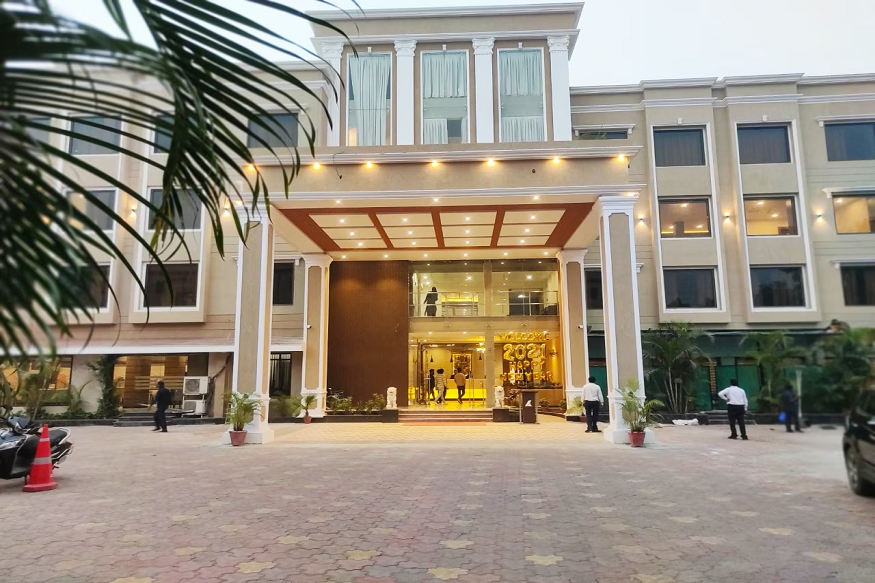
Finding the right base helps considerably. Several hotels in Jabalpur sit centrally enough that all of these places are reachable without significant logistics. That proximity removed the friction that would otherwise have made spontaneous decisions harder to act on. Staying somewhere that puts the city within walking distance isn’t just a convenience here. It’s what makes slowing down actually possible rather than just aspirational.