
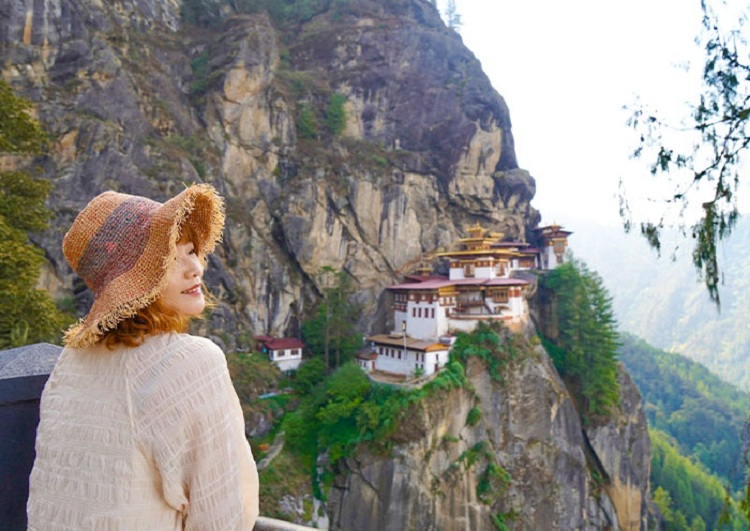

A journey through the Himalayas is more than an opportunity to admire towering mountains and beautiful landscapes. It is a chance to experience ancient traditions, discover fascinating cultures, explore peaceful mountain communities, and enjoy unforgettable adventures. A Nepal and Bhutan Tour brings together two extraordinary Himalayan destinations, offering travellers an enriching combination of natural beauty, cultural exploration, and adventure. While Nepal attracts visitors with its dramatic mountain ranges, historic temples, and world-famous trekking routes, Bhutan offers a distinctive experience through its Buddhist heritage, peaceful valleys, traditional architecture, and carefully preserved way of life.
Travelling through these neighbouring Himalayan countries provides a deeper understanding of the region’s cultural diversity. From the energetic streets of Kathmandu to the peaceful mountain surroundings of Paro and Thimphu, every destination reveals a different side of Himalayan life. For travellers seeking something beyond an ordinary holiday, this combination creates an exceptional travel experience.
Exploring Nepal: Where Himalayan Beauty Meets Ancient Heritage
Nepal is an ideal starting point for a Himalayan adventure. Known for Mount Everest, the world’s highest mountain, the country offers an impressive variety of experiences for international visitors. Its geographical diversity ranges from the snow-covered peaks of the Himalayas to green hills, river valleys, subtropical forests, and historic urban settlements.
Read More: The experiences that made Jabalpur worth slowing down for
Kathmandu, the capital city, introduces visitors to Nepal’s remarkable cultural heritage. The Kathmandu Durbar Square, Swayambhunath Stupa, Boudhanath Stupa, and Pashupatinath Temple provide fascinating insights into the country’s Hindu and Buddhist traditions. These historic landmarks are not simply tourist attractions; they represent centuries of religious devotion, artistic development, and community life.
Beyond the capital, visitors can explore Pokhara, a beautiful lakeside city surrounded by the Annapurna mountain range. Boating on Phewa Lake, enjoying panoramic Himalayan views, and exploring nearby villages provide a relaxing contrast to the busy atmosphere of Kathmandu. Adventure enthusiasts can also choose trekking, paragliding, mountain biking, and white-water rafting.
Nepal’s cultural and natural diversity makes it an excellent destination for travellers who want to experience both adventure and authentic Himalayan traditions before continuing their journey into Bhutan.
Bhutan: A Himalayan Kingdom of Culture and Tranquillity
Bhutan offers an entirely different atmosphere, making it one of the most fascinating destinations in South Asia. Often recognised for its commitment to environmental conservation, cultural preservation, and Gross National Happiness, the country has developed a distinctive approach to tourism.
Traditional Bhutanese architecture, colourful prayer flags, ancient monasteries, and beautifully decorated dzongs create a remarkable cultural landscape. Unlike destinations where rapid urban development has transformed traditional lifestyles, Bhutan has made considerable efforts to protect its architectural heritage and cultural identity.
Thimphu, the country’s capital, provides an introduction to contemporary Bhutanese life. Visitors can explore the impressive Buddha Dordenma statue, Tashichho Dzong, traditional markets, and cultural institutions. The city combines modern facilities with traditional Bhutanese design, offering an interesting perspective on how the country balances development and heritage.
Paro is another essential destination. Located in a beautiful valley surrounded by forested mountains, it is home to several important cultural attractions. Its most famous landmark is Taktsang Monastery, popularly known as the Tiger’s Nest. Perched dramatically on a cliffside, this sacred Buddhist monastery is among the most recognisable sights in the Himalayas.
A visit to Bhutan is not simply about sightseeing. It is an opportunity to understand Buddhist philosophy, appreciate traditional craftsmanship, experience local hospitality, and enjoy the peaceful rhythm of mountain life.
Cultural Experiences That Make the Journey Special
One of the greatest advantages of combining Nepal and Bhutan in a single holiday is the opportunity to explore two closely connected yet culturally distinct Himalayan societies.
Both countries have strong Buddhist influences, but their religious traditions, festivals, architecture, and everyday customs offer different experiences. Nepal has a diverse religious landscape where Hinduism and Buddhism have developed alongside one another for centuries. Bhutan, meanwhile, has a particularly strong connection with Vajrayana Buddhism, which influences its architecture, festivals, national identity, and social traditions.
In Nepal, travellers can explore centuries-old temples, observe religious ceremonies, visit traditional Newari settlements, and discover local handicrafts. In Bhutan, they can experience colourful religious festivals known as Tshechus, visit ancient monasteries, and observe traditional mask dances performed by monks and local communities.
Food is another important part of the cultural experience. Nepalese cuisine includes dal bhat, momo dumplings, sel roti, and a variety of regional specialities. Bhutanese cuisine is known for its distinctive flavours, particularly ema datshi, a traditional dish prepared with chillies and cheese. Sampling local dishes provides a delicious introduction to the culinary traditions of both countries.
Adventure Opportunities in Bhutan
Although Culture and adventure in Bhutan is widely associated with spirituality and cultural preservation, it is also an excellent destination for adventure travellers. Its mountainous terrain, pristine forests, alpine valleys, and winding mountain trails provide numerous opportunities for outdoor exploration.
Hiking and Trekking: Bhutan offers trekking experiences ranging from relatively short day hikes to challenging multi-day expeditions. The hike to Tiger’s Nest is particularly popular, combining physical activity with spectacular scenery and cultural significance. More experienced trekkers may consider routes such as the Druk Path Trek, which passes through mountain landscapes, high-altitude lakes, and traditional settlements.
Mountain Scenery and Photography: Bhutan’s dramatic landscapes provide excellent opportunities for nature photography. Visitors can capture snow-covered Himalayan peaks, traditional farmhouses, colourful prayer flags, forested valleys, and magnificent monasteries. Every season offers different scenery and photographic possibilities.
Wildlife and Nature Exploration: Bhutan is recognised for its extensive forest coverage and biodiversity. Nature enthusiasts can explore protected areas and national parks, where they may encounter species such as the takin, red panda, and Himalayan black bear. Birdwatching is also popular, particularly in regions that provide habitats for rare Himalayan bird species.
River Rafting and Outdoor Activities: Bhutan’s rivers offer opportunities for white-water rafting, particularly around the Pho Chhu and Mo Chhu rivers near Punakha. These activities allow visitors to appreciate the country’s natural beauty from a different perspective while enjoying an exciting outdoor experience.
Adventure in Bhutan is not limited to extreme activities. Even travelling along its scenic mountain roads, walking through traditional villages, and exploring peaceful forest trails can become memorable experiences.
Best Time to Plan a Nepal and Bhutan Tour
Choosing the right season can significantly improve the overall travel experience. Spring and autumn are generally considered the most favourable periods for visiting both destinations.
Spring, from March to May, brings pleasant temperatures, blooming rhododendrons, and colourful mountain landscapes. It is an excellent season for sightseeing, photography, hiking, and cultural exploration.
Autumn, from September to November, offers clear skies, comfortable weather, and excellent mountain visibility. This period is particularly attractive for travellers interested in Himalayan photography and trekking.
Winter can also be a rewarding time to visit, especially for those who prefer quieter tourist destinations. However, temperatures can become quite cold in higher-altitude areas. Summer brings greener landscapes but also monsoon rainfall in Nepal, which may affect some travel and trekking plans.
Travellers should also consider Bhutan’s festival calendar when organising their itinerary, as attending a traditional Tshechu can add a valuable cultural dimension to the journey.
Planning a Smooth Himalayan Journey
A well-organised itinerary is essential when travelling between Nepal and Bhutan. Most international visitors begin in Kathmandu before continuing to Bhutan through available flight connections, often arriving at Paro International Airport. Travellers should allow enough time for international transfers, sightseeing, and possible changes in travel schedules.
An itinerary of approximately 10 to 14 days can provide a comfortable introduction to both countries. Visitors might spend several days exploring Kathmandu and Pokhara before travelling to Bhutan for visits to Paro, Thimphu, and Punakha.
It is important to understand the entry requirements of both destinations before departure. Bhutan has specific tourism regulations, including applicable visa arrangements and the Sustainable Development Fee for many international visitors. Nepal has its own visa policies and entry procedures. Requirements vary according to nationality, so checking official information before booking is essential.
Travellers should also consider altitude, travel insurance, suitable clothing, and comfortable walking shoes. Booking accommodation, transportation, and guided cultural experiences in advance can make the journey considerably easier.
Conclusion: Two Countries, One Extraordinary Himalayan Experience
A Nepal and Bhutan Tour offers much more than a conventional sightseeing holiday. It brings together Nepal’s extraordinary geographical diversity, historic religious landmarks, and adventurous spirit with Bhutan’s peaceful valleys, living Buddhist traditions, and remarkable mountain landscapes.
Read More: The Secret to Keeping Children Entertained Without Screens on Holiday
Whether exploring Kathmandu’s ancient heritage, enjoying the beauty of Pokhara, hiking towards Tiger’s Nest Monastery, or discovering Bhutanese village life, travellers encounter experiences that remain memorable long after returning home.
For those seeking a meaningful combination of culture, nature, spirituality, and outdoor adventure, these two Himalayan destinations provide an exceptional opportunity. Together, Nepal and Bhutan reveal the remarkable diversity of Himalayan life and create a journey that connects travellers with the region’s landscapes, traditions, and enduring cultural heritage.